

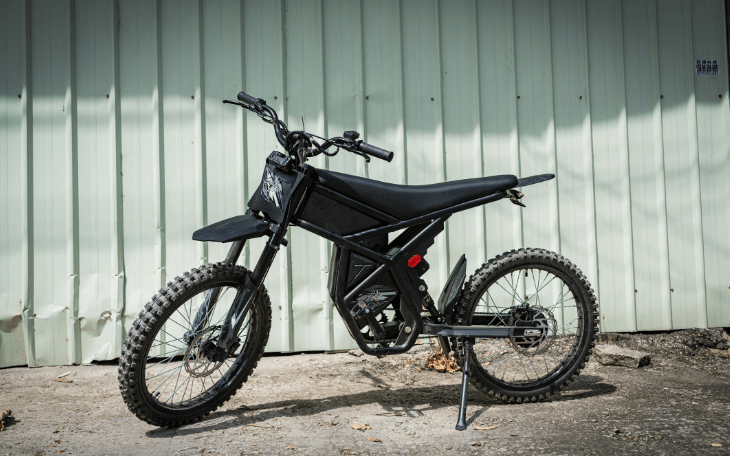
E-Bikes vs. E-Dirt Bikes (OHVs) and Low Powered Scooters Know the Rules, Ride Safe.
Protecting Young E-Bike Riders: Advice for Parents, Students, and Communities:
Like many communities across the Front Range, Douglas County is seeing a rise in e-dirt bikes (OHVs), and low-powered scooters. The Douglas County Sheriff’s Office is committed to ensuring our community remains safe for everyone—whether you are on wheels, in a car, or on foot. Public safety is our top priority.
Before you buy or ride any electric vehicle for yourself or your child, please keep the following in mind:
- Understand Your Machine: Learn the specific power output and top speeds of the vehicle.
- Know Its Capabilities: Be aware of how the vehicle handles different terrains and traffic conditions.
- Check Where It’s Allowed: Rules vary between local streets, paved paths, and open space trails; always check for posted signage.
- Follow State Law: Make sure you are familiar with Colorado’s legal requirements regarding age, helmet use, and vehicle classifications.
Types of Vehicles
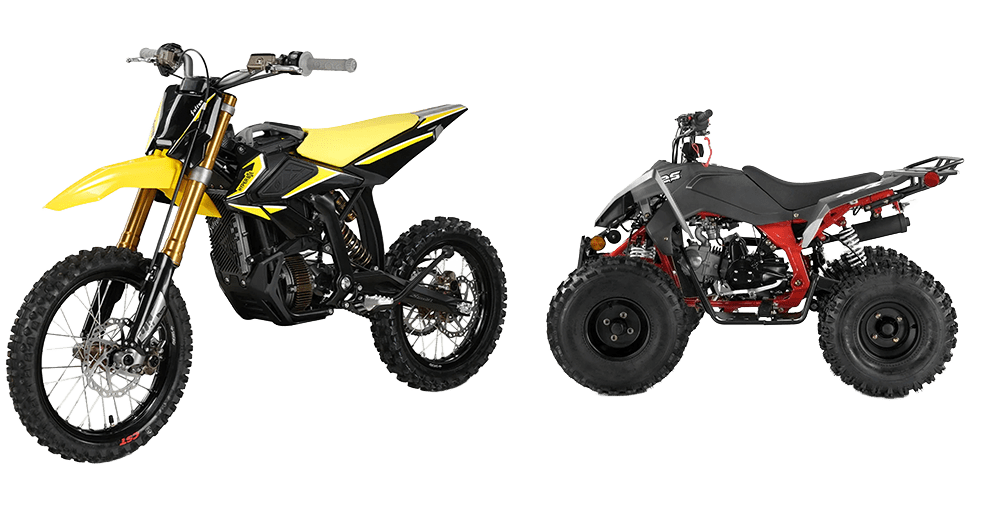
OHVs: Electric & Gas Dirt Bikes & ATVs
Off-Highway Vehicles (OHV) are designed primarily for use off of the public highways. These OHVs are any self-propelled vehicle that is designed to travel on wheels or tracks in contact with the ground and generally and commonly used to transport persons for recreational purposes, including vehicles commonly known as all-terrain vehicles.
- Off-highway vehicles are not street legal.
- May have an "Off Road Use Only" label or sticker.
- NOT allowed on sidewalks or pedestrian paths, trails, and open space
- Off Highway Vehicles are designed for off-road use only.
- They are allowed:
- On Private Property
- Authorized trails such as Rampart Range, Pike National Forest with OHV registration through Colorado State Parks.
- Paid facilities open to the public (Thunder Valley)

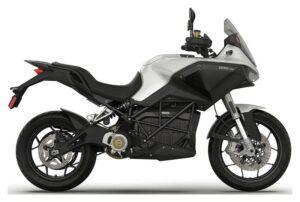
Electric Motorcycles (e-Moto)
E‑motos (electric motorcycles) are legal for street use when they are properly registered, insured, and operated by a licensed rider with a motorcycle endorsement. They are different from off‑highway vehicles (OHVs) and are not regulated under this ordinance.
E-Bikes
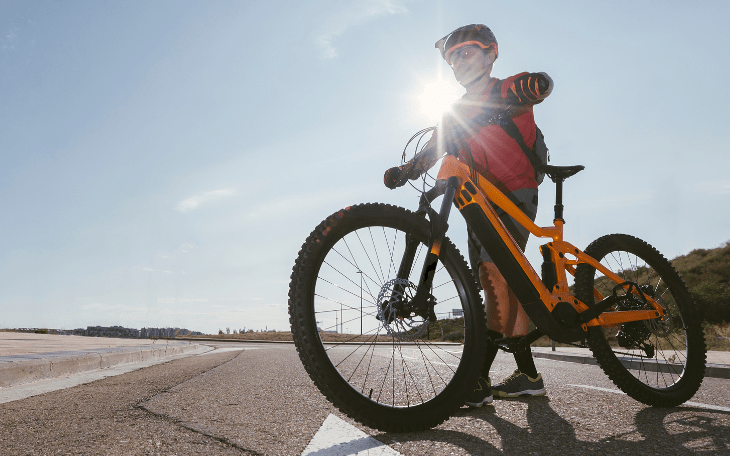
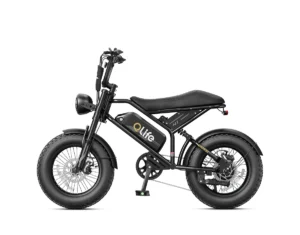
All electric bicycles in Colorado must fall into one of three classifications. According to a new Colorado law, e-bikes will be required to have a label depicting the e-bike’s classification, top speed and motor wattage by January 1, 2027.
Before riding an e-bike, make sure you’re legal to ride.
Class 1: Pedal assist motor cuts out at 20 miles per hour.
- How it works: Motor only kicks in when you pedal; stops assisting at 20 mph. No throttle.
- Age Limit: Generally 10+ recommended.
- Where it's allowed: Most bike paths, multi-use trails, and Colorado State Park trails. Allowed on roads and bike lanes.
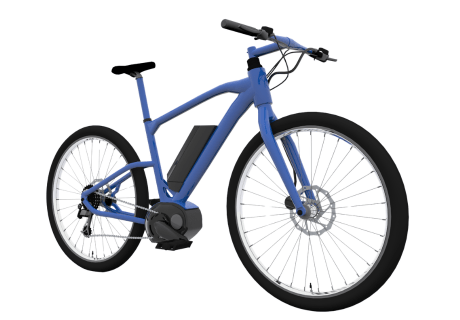
Class 2: Pedal assist or throttle motor cuts out at 20 miles per hour.
- How it works: Can be propelled by a throttle without pedaling; stops assisting at 20 mph.
- Age Limit: Generally 13+ recommended.
- Where it's allowed: Most paved bike paths and roads. Some natural-surface trails (ex. Colorado Springs) may restrict them because of the throttle.
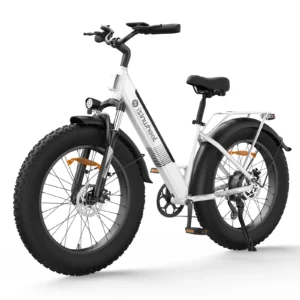
Class 3: Pedal assist motor cuts out at 28 miles per hour. Class 3 e-bikes must also have a speedometer.
- How it works: Pedal-assist only (no throttle); stops assisting at 28 mph.
- Age Limit: Must be at least 16 years old.
- Where it's allowed: Primarily roads and bike lanes. They are typically prohibited on multi-use paths and state park trails unless specifically signed otherwise.
- Requirement: Riders under 18 must wear a helmet on Class 3 e-bikes.
- Legally capped at a 750-watt motor.
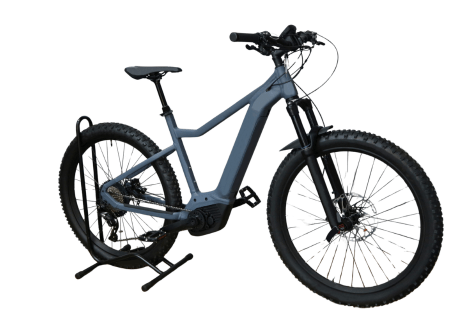
Class 1 and Class 2 e-bikes are allowed on sidewalks, trails, and pedestrian paths, provided they do not exceed 15 mph. These bikes can also share the road with motorists or go in the bike lane.
Class 3 e-bikes, which can self-propel without any pedal assistance, are only allowed on roadways and are not allowed in bike lanes. Riders must be at least 16 years old to operate. Riders under 18 years old must wear a helmet.
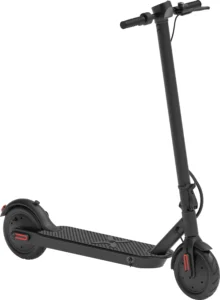
Electric Scooter
- Weighing less than one 100 pounds;
- With handlebars and an electric motor;
- That is powered by an electric motor; (750 watts or less) and
- That has a maximum speed of 20 mph.
- No driver's license, insurance, or vehicle registration is required.
“Electric scooter” does not include an electrical assisted bicycle, EPAMD, motorcycle, or low-power scooter.
Electric Scooters are not regulated under this ordinance.
Where to ride: Legally allowed wherever conventional bicycles and Class 1 and 2 e-bikes are permitted, including roadways, bike lanes, and sidewalks
Low Powered Scooters
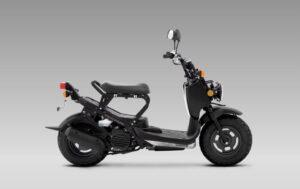
Low Powered Scooters are machines that operate under 50 cc or a maximum electric motor output of 4,476 watts or less. Before riding a low powered scooter, make sure you’re legal to ride:
- Driver’s license
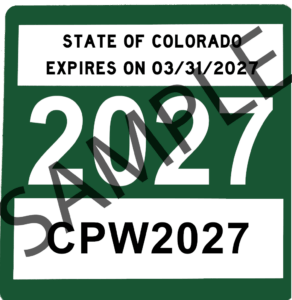
- Registered vehicle with a sticker
- Current insurance
- NOT allowed on sidewalks, pedestrians paths, and trails
- Street legal if meets registration requirements by state law.
Douglas County Ordinance Information
Enforcement
Violation: It shall be unlawful for any person to violate any provision of this ordinance.
Scope. It is unlawful for any person to operate an off-highway vehicle on any public street, road, alley, trail, or other public property within Douglas County in violation of state law or this ordinance.
Any person found guilty of, or entering a plea of guilty or no contest to, a violation of this subsection shall be subject to a mandatory minimum fine of $250.00 and maximum fine of $1,000.00 exclusive of any mandatory fees and surcharges.
Parent Responsibility: No parent or legal guardian shall cause, permit, or knowingly allow a minor under the age of eighteen (18) years of age to operate an off-highway vehicle on any public street, road, alley, trail, or other public property within the County in violation of state law or this ordinance.
Eluding: It is unlawful for any operator of an off-highway vehicle to willfully fail to stop, or to willfully attempt to elude or evade, a peace officer after receiving a clear visual or audible signal directing the operator to stop. This subsection applies when the officer has reasonable articulable suspicion that the operator has violated any provision of state law or County ordinance of Douglas County.
The signal must be given by a peace officer operating a marked official vehicle or wearing a clearly identifiable uniform. Prohibited conduct includes, without limitation:
- increasing speed to avoid the officer;
- extinguishing lights;
- departing the roadway to avoid the stop; or
- any other conduct demonstrating a willful intent to avoid the officer.
Reckless Driving: A person who operates an off-highway vehicle in the County in such a manner as to indicate either a wanton or a willful disregard for the safety of persons or property is guilty of reckless driving. For purposes of this subsection, "willful or wanton disregard" means conduct that the operator knew, or reasonably should have known, created a substantial and unjustifiable risk of harm to persons or property.
Any person found guilty of, or entering a plea of guilty, or no contest to, a violation of this subsection shall be subject to a mandatory minimum fine of $500.00 and a maximum of $1,000.00 exclusive of any mandatory fees and surcharges.
Careless Driving: A person who operates an off-highway vehicle in the County in a careless and imprudent manner, without due regard for the width, grade, curves, corners, traffic, and use of the streets and highways, and all other attendant circumstances, is guilty of careless driving.
Any person found guilty of, or entering a plea of guilty, or no contest to, a violation of this subsection where such conduct did not result in bodily injury or damage to another person’s property shall be subject to a mandatory minimum fine of $150.00 and a maximum of $300.00 exclusive of any mandatory fines and surcharges.
Any person found guilty of, or entering a plea of guilty, or no contest to, a violation of this subsection where such conduct is the proximate cause of bodily injury to another person or damage to another person’s property, shall be subject to a mandatory minimum fine of $300.00 and a maximum of $1,000.00.
CLICK HERE to view the complete Douglas County Ordinance.
Safety Equipment
Every operator of an off-highway vehicle who is under the age of eighteen (18) years shall wear a properly fitted and fastened safety helmet, specifically Department of Transportation (DOT) approved. A peace officer may order an operator to cease operation of the off-highway vehicle until compliance with this subsection is achieved. Every operator is required to adhere to the manufacturer’s safety guidelines of the number of authorized riders allowed in and/or on the off-highway vehicle.
Any person found guilty of, or entering a plea of guilty, or no contest to, a violation of this subsection shall be subject to a mandatory minimum fine of $75.00 and a maximum of $250.00 exclusive of any fines and surcharges.
Impoundment
The Douglas County Sheriff’s Office is hereby authorized to impound any off-highway vehicle or Low Powered Scooter, which the Sheriff’s Office has probable cause to believe is being operated on the public streets, roads, trails, and alleys within the County in violation of the provisions of state law or this ordinance.
Penalties
Douglas County Violations of the ordinance may result in:
OHV (Off-Highway) violations: $250–$1,000
Parent responsibility violations: $250–$1,000
Reckless driving: $500–$1,000
Careless driving: $150–$300 w/o injury, no property damage to another’s property
Careless driving: $300-$1,000 w/injury and/or property damage to another’s property
Safety violations: $75–$250
Safety Tips
Riders are urged to follow traffic laws, wear appropriate safety gear, and remain aware of their surroundings to ensure their safety and the safety of others.
Wear a well-fitted helmet. Always wear a fitted helmet, regardless of your age or the type of e-bike, OHV, or low-powered vehicle that you’re riding. Helmets are required by law for persons under 18 riding class 3 e-bikes, OHVs, and low-powered scooters (certified DOT-approved).
E-bikes, OHVs, and low-power scooters are heavier and harder to control with or without a passenger. Carrying a passenger is legal only if your vehicle is designed to carry another person; regardless, the extra weight can make it difficult to maneuver, slow down, and stop.
Know your traffic laws, including stopping at stop signs and following speed limits. Ride in the same direction as traffic. Wear bright clothing and use lights. Use turn-signals (electronic or hand). Slow down and announce yourself before passing on the left of a nearby group or person.
The higher the speed, the higher the risk of injury. Depending on your bicycle’s weight, skill level, and road surface, at 20 mph, it will take approximately 30 feet to come to a full stop. Get comfortable with your e-bike’s speed controller and brakes.
Always stay aware of other riders and cars, and never assume they see you. Limit distractions like cell phones and earbuds. Make eye contact with drivers and others when you enter and exit intersections.
For more information, visit leg.colorado.gov/content/electric-bicycles or call the Sheriff’s Office at 303-660-7505 or email communityresources@dcsheriff.net.