


E-Dirt Bikes and E-Motorcycles
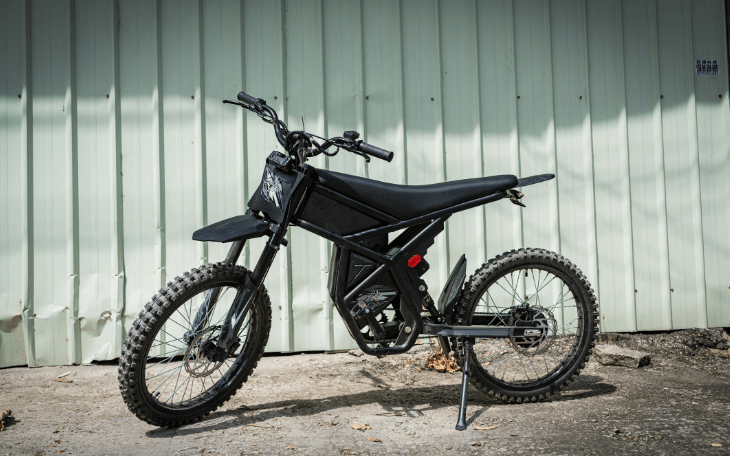
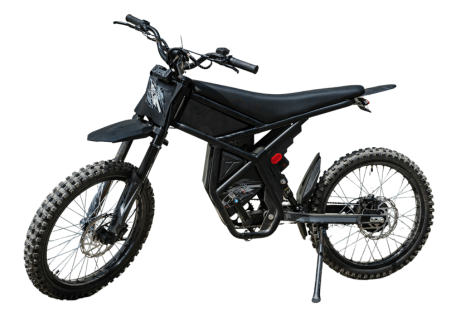
E-dirt bikes and e-motorcycles, also called e-motos, are machines that operate at 4,477 watts and higher and have no pedals. Before riding an e-dirt bike or e-moto, make sure you’re legal to ride:
- Requires a driver’s license with motorcycle endorsement
- Must be registered vehicle with a license plate
- Must maintain current insurance
- NOT allowed on sidewalks or pedestrian paths, trails and open space
- Many of these vehicles are designed for off-road use only
- Owners must contact Colorado DMV and Colorado State Patrol for registration and inspection to ride legally.
E-Bikes
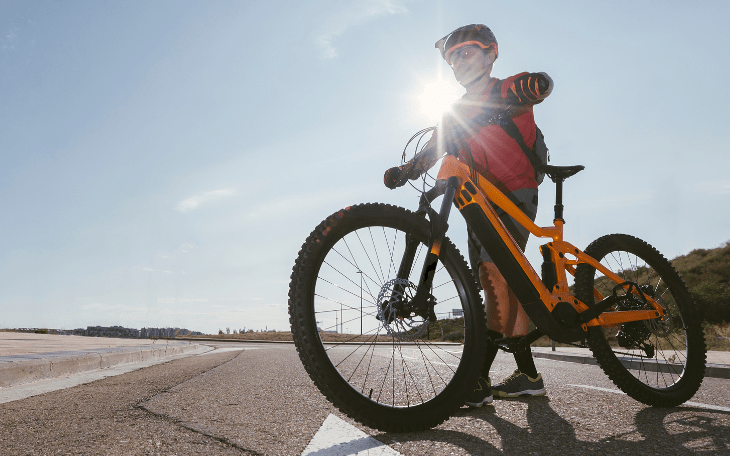
All electric bicycles in Colorado must fall into one of three classifications. According to a new Colorado law, e-bikes will be required to have a label depicting the e-bike’s classification, top speed and motor wattage by January 1, 2027.
Before riding an e-bike, make sure you’re legal to ride.
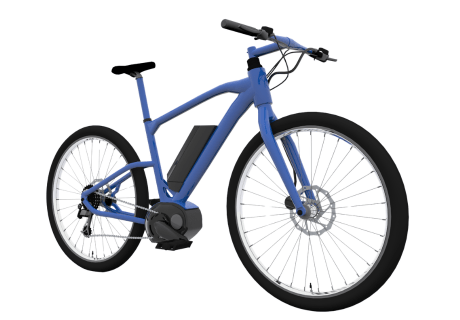
Class 1: Pedal assist motor cuts out at 20 miles per hour.
- How it works: Motor only kicks in when you pedal; stops assisting at 20 mph. No throttle.
- Age Limit: Generally 10+ recommended.
- Where it's allowed: Most bike paths, multi-use trails, and Colorado State Park trails. Allowed on roads and bike lanes.
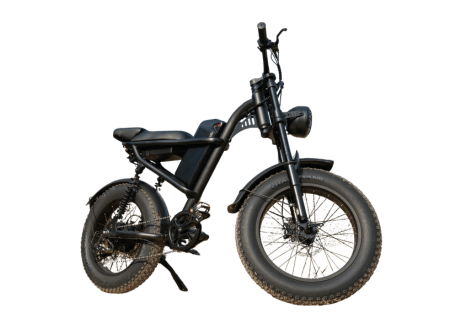
Class 2: Pedal assist or throttle motor cuts out at 20 miles per hour.
- How it works: Can be propelled by a throttle without pedaling; stops assisting at 20 mph.
- Age Limit: Generally 13+ recommended.
- Where it's allowed: Most paved bike paths and roads. Some natural-surface trails (ex. Colorado Springs) may restrict them because of the throttle.
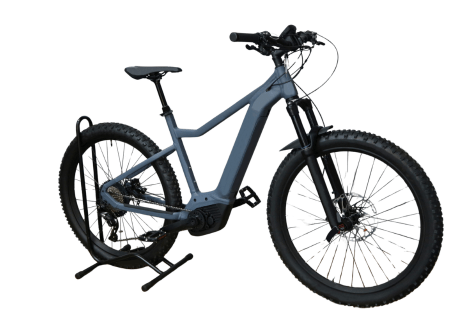
Class 3: Pedal assist motor cuts out at 28 miles per hour. Class 3 e-bikes must also have a speedometer.
- How it works: Pedal-assist only (no throttle); stops assisting at 28 mph.
- Age Limit: Must be at least 16 years old.
- Where it's allowed: Primarily roads and bike lanes. They are typically prohibited on multi-use paths and state park trails unless specifically signed otherwise.
- Requirement: Riders under 18 must wear a helmet on Class 3 e-bikes.
Class 1 and Class 2 e-bikes are allowed on sidewalks, trails, and pedestrian paths, provided they do not exceed 15 mph. These bikes can also share the road with motorists or go in the bike lane.
Class 3 e-bikes, which can self-propel without any pedal assistance, are only allowed on roadways and are not allowed in bike lanes. Riders must be at least 16 years old to operate. Riders under 18 years old must wear a helmet.
E-Scooters
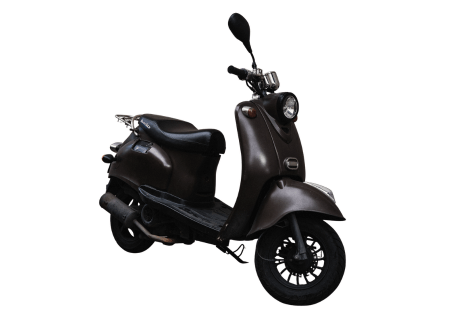
Low-power E-scooters are machines that operate between 751 to 4,476 watts. Before riding an E-scooter, make sure you’re legal to ride:
- Driver’s license
- Registered vehicle with a sticker
- Current insurance
- NOT allowed on sidewalks, pedestrians paths, and trails
- May be road legal if meets registration requirements by state law.